What Is the Most Attractive Butt Shape?
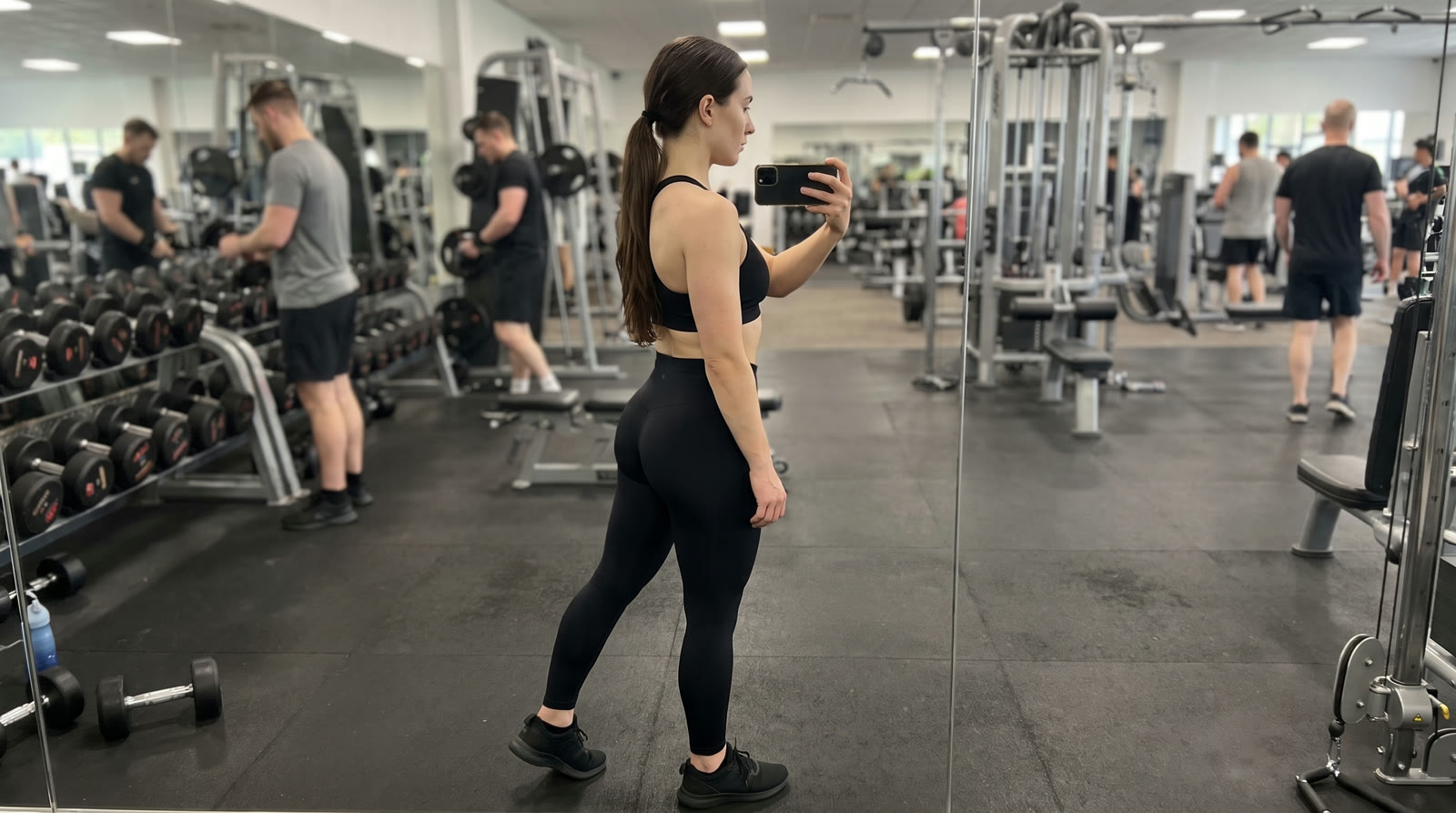
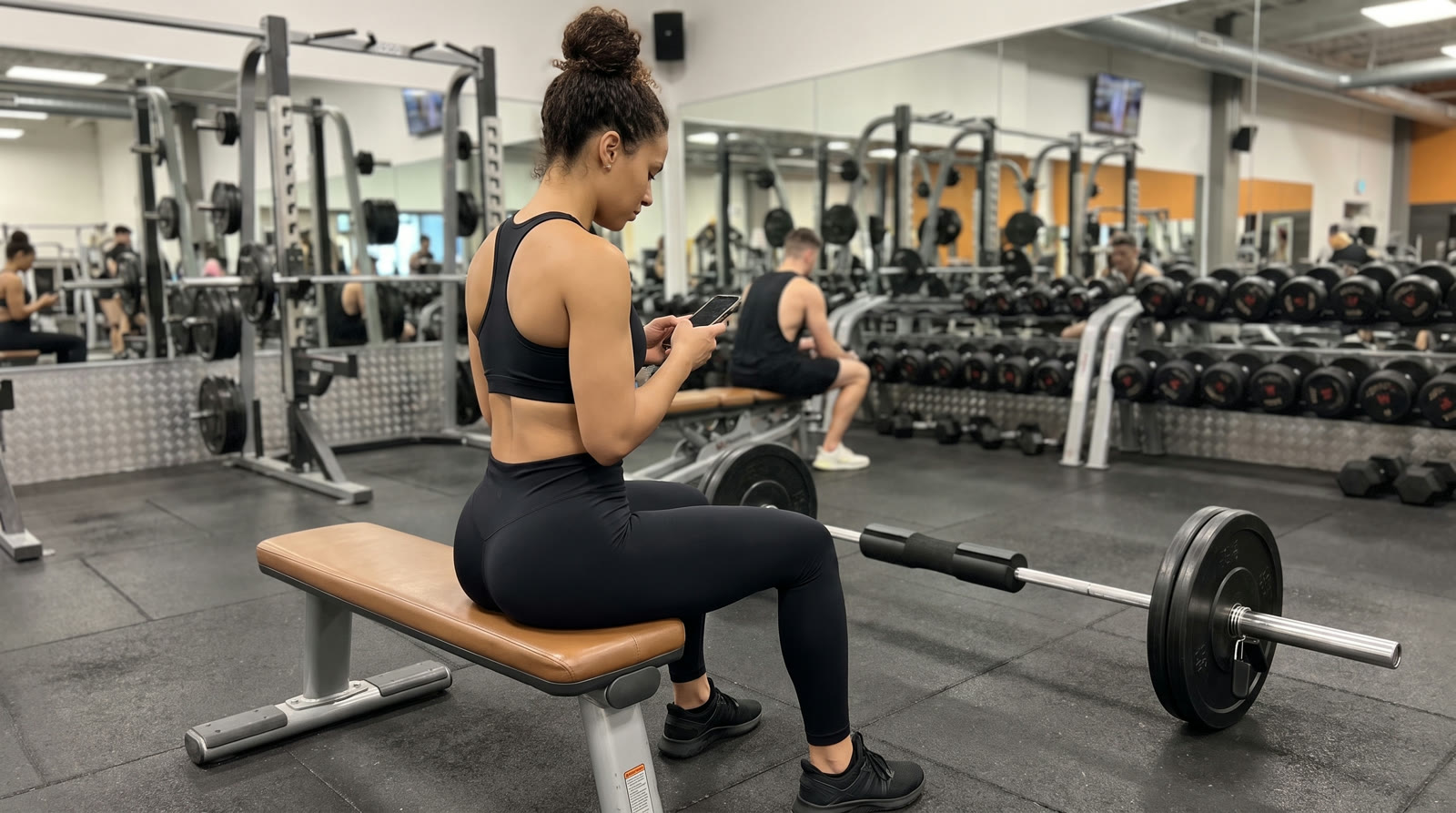
The most attractive butt shape, going by the research that has actually asked people to rate one, is a round or heart-shaped butt: full through the middle and lower glutes, with a clear curve from the waist out to the hip, on a waist-to-hip ratio of roughly 0.7. And yes, you can train toward it — not by changing your bone structure, but by building the two muscles that create most of the fullness, roundness, and side projection people are rating.
That is the whole answer. The rest of this page is the evidence behind it, and the part I actually care about: which pieces of that look you were born with, which you can build, and exactly how.
What Is the Most Attractive Shape for Buttocks?
Round and heart shapes come out on top, and the reason is that they combine three things the studies measure separately: a waist that is noticeably narrower than the hips, fullness centered on the glutes rather than high on the hip or low near the thigh, and projection from the side. Square and V shapes tend to be rated lower not because they are wrong, but because each is usually missing one of those three — a square shape has less waist-to-hip contrast, and a V shape carries more of its width above the glutes than on them.
One thing I want to be clear about before the numbers: “most attractive” here means “rated highest on average by the people surveyed.” It is a description of a preference, not a standard your body owes anyone, and it varies by culture and by who is doing the rating. The reason I find the data useful is narrower than that. It tells me which parts of the look come from structure, and which parts respond to training.
If you want the map of the shapes themselves — round, heart, square, V, A, flat, apple — start with my guide to the common butt shapes, or take the shape quiz to find where you land. This page is about which of them wins the ratings, and why.
Why Round and Heart Shapes Rate Highest
Three lines of research keep pointing the same direction.
Waist-to-hip ratio. The best-known work is Devendra Singh’s 1993 study in the Journal of Personality and Social Psychology, in which men rated line drawings of female figures that varied in body weight and waist-to-hip ratio. Across weight categories, figures with a ratio near 0.7 were rated most attractive, and the ratio predicted ratings more strongly than weight did. The finding has been repeated many times since with photographs and computer-generated bodies rather than drawings.
Glute proportions specifically. A 2016 population survey in Plastic and Reconstructive Surgery, “Redefining the Ideal Buttocks”, collected 1,146 responses to images that varied the waist-to-hip ratio and the vertical position of the fullest point. From the back, the ratio chosen most often was 0.65, picked by 44% of respondents, with 0.60 the next most common. That is a narrower waist relative to the hips than Singh’s drawings, with the fullness sitting on the glutes themselves — which is exactly what people mean by a round or heart shape.
Lumbar curvature. A 2015 study in Evolution and Human Behavior found that raters preferred a lumbar curve of about 45 degrees, which visually pushes the glutes back and up from the side. Part of what reads as a “lifted” butt is spinal posture, not just muscle.
The caveat. Most of this research is Western and relatively recent, and studies elsewhere found real variation. Marlowe and Wetsman’s 2001 work with the Hadza of Tanzania found men there preferred a noticeably higher ratio, closer to 0.9. So treat 0.7 as the center of gravity in the data, not a universal law.
Does the Waist-to-Hip Ratio Matter More Than Shape?
In the research, yes — the ratio is doing more of the work than the outline of the glutes on their own.
Singh’s figures were rated across three weight categories, and the ratio effect held in each of them. The 2016 survey varied the ratio and the glute position independently, and the ratio moved the ratings more. Even the lumbar-curvature finding is partly a ratio effect: a deeper curve makes the hips and glutes look larger relative to the waist from the side.
If you want to see what a given ratio looks like on your own measurements, the female body visualizer compares a body like your current one with your goal, side by side.
This is the part I would hold onto, because it changes what “training toward an attractive shape” means. You are not chasing a particular outline. You are working on three separate things — the contrast between your waist and hips, the fullness of the glutes, and their projection from the side — and the next section sorts those into the levers you can pull and the ones you cannot.
Can You Train Toward a More Attractive Shape?
Partly, and more than most people expect. The useful move is to be honest about which parts of the look are set by structure and which respond to work.
Mostly genetic — you cannot train these:
- Pelvis width and hip bone shape. This sets the baseline for the hip measurement in your ratio. A wider pelvis makes a low ratio easier; a narrower one makes it harder. Neither changes.
- Muscle insertions and belly length. Where your glute max attaches and how long the muscle belly is decides whether a bigger glute max reads as high and round or lower and longer. Two people can add the same muscle and get different outlines.
- Fat distribution pattern. Whether your body stores fat at the hips and glutes first, or at the waist first, is largely hormonal and genetic, and it affects the ratio more than people expect.
Trainable — these respond to work:
- Glute max size. This is the biggest lever you have. It adds fullness, projection from the side, and the lift that makes the shape read as round. It is built with heavy hip extension: hip thrusts, Romanian deadlifts, split squats, step-ups.
- The glute medius “shelf.” The upper and outer glutes fill in the corner between the hip and the top of the glute. Building them is what turns a square-ish outline into a rounder one from the back, and it is the most under-trained piece for most people.
- Body fat level. The lever with the widest range and the most trade-offs. Lower body fat shrinks the waist, which improves the ratio, but it also shrinks the glutes unless there is muscle underneath. Order matters: build the muscle first, then let the waist come in.
- Posture and lumbar curve. Hip mobility, hamstring length, and how you stand all affect the curve that makes the glutes look lifted from the side. Training the glutes helps this on its own; so does not sitting in one position all day.
So: you cannot choose your pelvis or your insertions, but you can build the two muscles that decide most of the fullness, roundness, and side projection, and you can manage body fat in a way that improves the ratio instead of flattening the shape. Inside your own structure, that is enough to move meaningfully toward the look the ratings favor. If you want to see how that plays out for a specific starting point, I have written it up for the square butt, the apple butt, and the heart-shaped butt.
What I do not cover is surgery. This site is about training, and every recommendation on it is something you can do in a gym or a living room.
Best Exercises to Build Roundness and Projection
This is my shortlist. It is built around the two muscles that matter most — the glute max for fullness and projection, the glute medius for the upper and side curve — and it deliberately does not try to include everything. Pick from it, progress the weights, and keep the same routine long enough to get better at it.
For fullness and projection (glute max)
Hip thrust. The single best exercise for glute max size, because it is hardest at the top where the glutes are fully shortened. Use the barbell hip thrust if you have a gym, or the dumbbell hip thrust at home. 3 to 4 sets of 8 to 12 reps.
Romanian deadlift. Loads the glutes and hamstrings in the stretched position, which builds the lower glutes and adds projection from the side. 3 sets of 8 to 12 reps.
Bulgarian split squat. Single-leg, deep range, and heavily glute-biased when you keep a slight forward lean. Good for the lower glute and for evening out side-to-side differences. 3 sets of 8 to 12 reps per side.
Step-up. Simple, easy to load, and one of the better exercises for single-leg glute growth. 3 sets of 8 to 12 reps per side.
For the upper and side curve (glute medius)
Hip abduction. Machine or banded. This is the exercise that fills in the upper-outer corner and turns a square-ish outline into a rounder one. 3 sets of 15 to 25 reps.
Cable kickback. Isolates hip extension with a squeeze at the top, useful as a finisher for the upper glutes. 3 sets of 12 to 15 reps per side.
How to put it together
Two or three sessions a week is plenty. A simple version:
| Day | Exercises |
|---|---|
| Day 1 | Hip thrust 4×8–12 · Bulgarian split squat 3×8–12 per side · Hip abduction 3×15–25 |
| Day 2 | Romanian deadlift 3×8–12 · Step-up 3×8–12 per side · Cable kickback 3×12–15 per side |
Add a rep or a little weight when you can, take a progress photo at the start in consistent lighting, and give the routine a full program before you judge it. The heart-shaped butt guide walks through the same two-muscle approach in more detail, with a full 3-day split.
FAQs About the Most Attractive Butt Shape
What is the best glute shape?
There is no best glute shape in an objective sense, but in preference research the shapes rated highest are round and heart-shaped glutes — full through the middle and lower glutes with a clear waist-to-hip curve, usually on a ratio near 0.7. Which of those you land closest to depends on pelvis structure and fat distribution as much as training.
What is the most attractive bum shape?
Same answer: round and heart-shaped bums are rated most attractive on average, mostly because they pair a narrow waist relative to the hips with fullness centered on the glutes. Studies that vary those elements separately find the waist-to-hip ratio matters more than the outline itself.
What is Ozempic butt?
“Ozempic butt” is a casual term for the flatter, looser-looking glutes some people notice after rapid weight loss, including on GLP-1 medications. The drug does not cause it directly; it is what happens when fat and, often, muscle come off quickly without enough muscle underneath to hold the shape. The fix is the same as for any flat butt: build the glute max and glute medius with progressive strength training, and eat enough protein to keep muscle while losing fat.
Can exercise change my butt shape?
Exercise cannot change your pelvis, your muscle insertions, or where your body prefers to store fat. It can change glute max size, glute medius development, and body fat level, which together decide most of the fullness, roundness, and projection people are rating. So yes, within your structure — and usually more than you expect.
Build Toward It
The shape the data favors comes down to two muscles and a ratio, and two of those three are yours to work on. What most people are missing is not the exercise list. It is a routine that fits their week and enough time on it to get better.
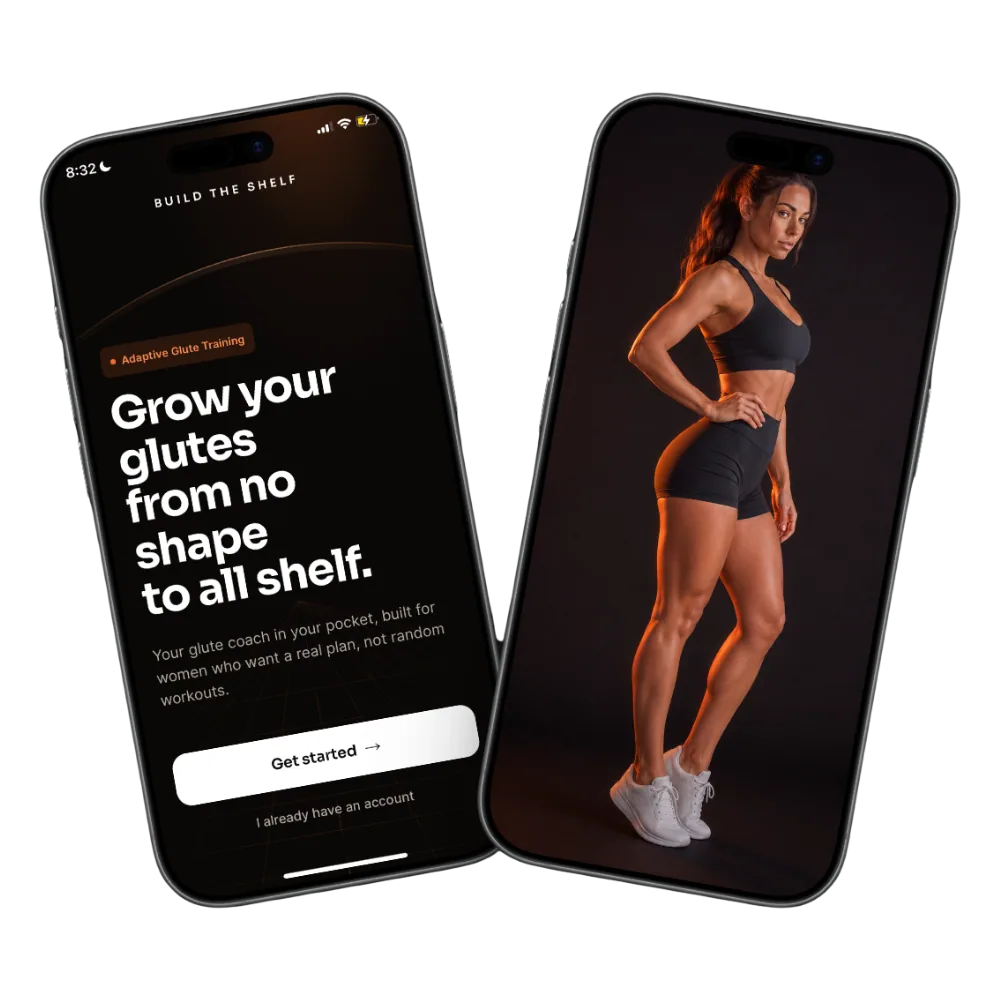
That is what I am building the Build The Shelf app to do: it builds a glute routine around the days, time, and equipment you actually have, tracks the sets so you can progress, and keeps your progress photos private. Join the waitlist to get it the day it launches, or see the glute programs being built into it.