Enter your bust, waist, high hip and hip measurements to find your body shape — using
the same formulas clothing researchers use — and see a rough photo projection of your shape, plus
your waist-to-hip ratio and what to train for it. Private: your measurements never leave this page.
Your measurements
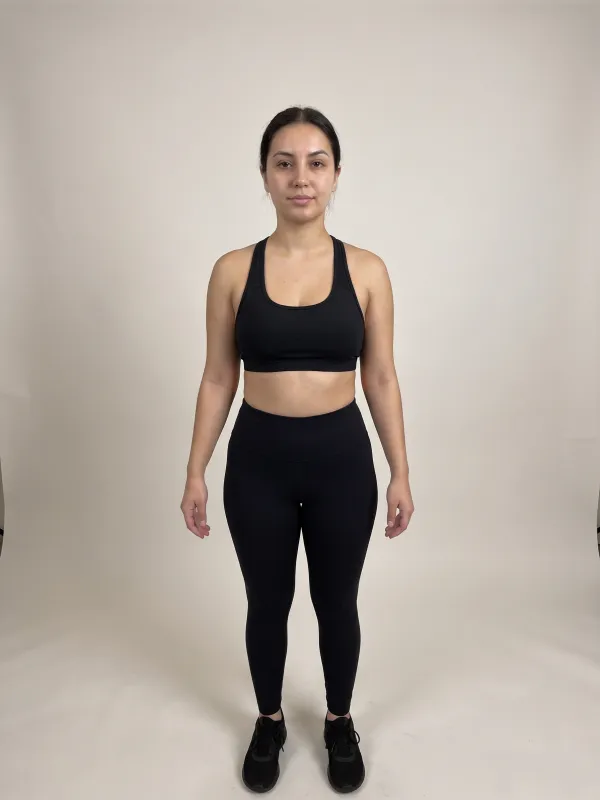
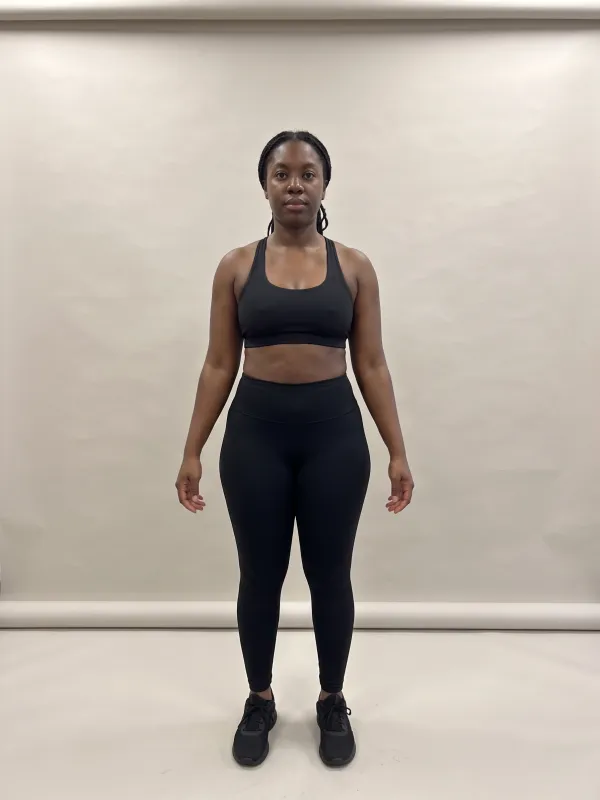
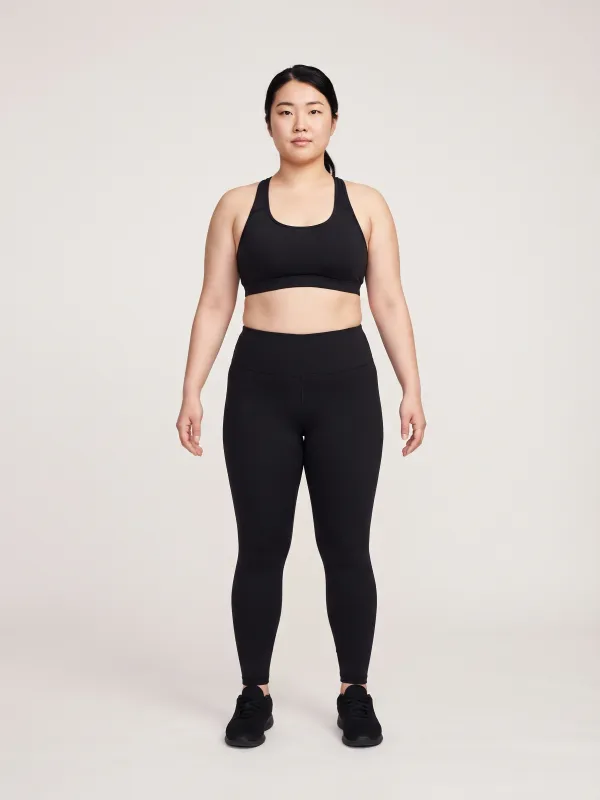
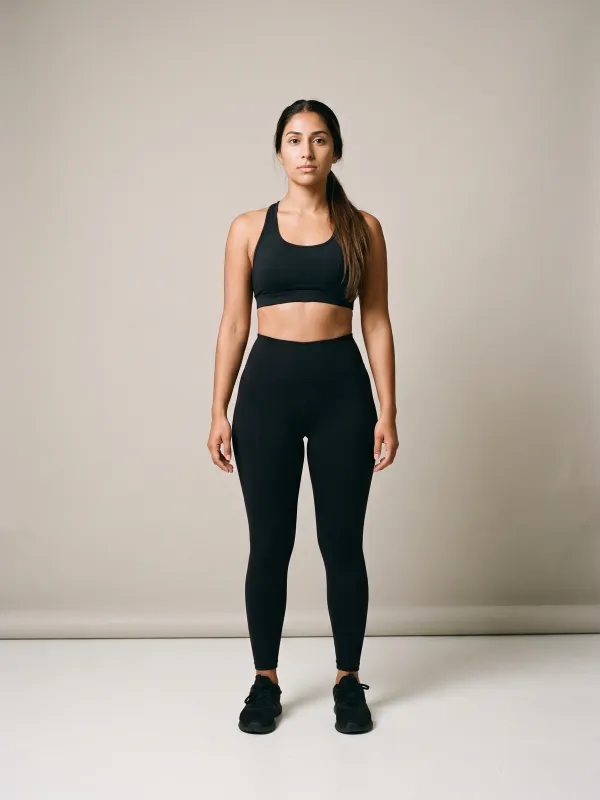
A rough idea of your shape: hourglass, average size
Your body shape
Hourglass
Bust and hips about the same width, with a clearly defined waist.
Waist-to-hip ratio
0.74
Training focus
Keep it balanced: hip thrusts and RDLs for projection, abduction for the side curve, and some rows for your upper back.
Want to see it at your height and weight, before and after glute training? Try the
female body visualizer.
Your body shape
Between shapes
Your measurements fall between the FFIT shapes, which happens near the cut-offs.
Re-measure carefully, then compare yourself with the seven shapes below — most
people recognise themselves in one or two.
Waist-to-hip ratio
—
Enter your bust, waist and hips to see your shape.
Turn your shape into a routine
The Glute Routine Builder builds your training focus into a week around your days,
time and equipment, and keeps private progress photos so you can watch your
proportions change.
Your body shape is a description of how your bust, waist and hips compare — nothing
more. These seven are clothing-fit categories, not health categories, and moving the
tape a couple of inches can change your answer. So measure carefully, and treat the
label as a starting point, not a verdict.
How to Measure Your Bust, Waist, High Hip and Hips
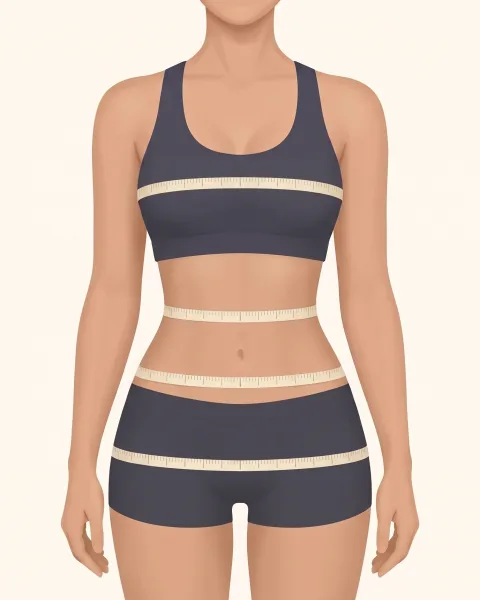
Use a soft tape measure, snug but not pulling, kept level with the floor all the way
round. Measure over bare skin or thin, fitted clothes, standing relaxed with your feet
together. "BWH" is just bust, waist and hips — the same three numbers, plus high hip
here.
Bust: Around the fullest part of your chest, in a non-padded bra, with the tape level across your back.
Waist: Around the narrowest part of your torso — usually a little above your belly button. Breathe out normally; don’t suck in.
High hip: Around the top of your hip bones, a few inches below your waist — the widest point of the upper swell of your hips, well above your glutes.
Hips: Around the fullest part of your glutes. Look side-on in a mirror to find where they stick out furthest.
Measure each one twice and use the average. High hip only matters for telling a bottom
hourglass from a spoon, so you can leave it blank — the calculator will tell you if it
needs it. For more on finding the fullest point of your hips, see
how to measure your butt size.
The 7 Body Shapes
Hourglass
Bust and hips about the same width, with a clearly defined waist.
Bottom hourglass
Hips wider than your bust, with a clearly defined waist.
Top hourglass
Bust wider than your hips, with a clearly defined waist.
Spoon
Hips much wider than your bust, with a defined waist and a high hip that flares out just below it.
Triangle
Often called pear
Hips wider than your bust, with less waist definition.
Inverted triangle
Bust and shoulders wider than your hips, with less waist definition.
Rectangle
Bust, waist and hips similar, with little waist definition.
FFIT also describes a diamond and an oval shape, but both need stomach and abdomen
measurements, so this calculator doesn’t sort into them.
What Your Body Shape Means for Training
Your bone structure sets the frame, and where you store fat is largely genetic. What you
can change is muscle — and muscle changes your measurements. Building your glutes adds
to your hip number; building your shoulders and upper back changes your top half.
Body shape
Training focus
Guide
Hourglass
Keep it balanced: hip thrusts and RDLs for projection, abduction for the side curve, and some rows for your upper back.
Whatever your shape, the basics are the same: train your glutes two to three times a week
(here’s how often to train glutes)
and give it months, not weeks (here’s how long it takes to grow glutes).
Because glute training adds to your hips, your body shape result can shift over time, so
it’s worth running the calculator again every few months. Your body shape and your butt shape are
different questions, too: the glute shape quiz
tells you whether your glutes are round, heart, square, V or A-shaped.
Want this as a plan? Join the waitlist — the
Glute Routine Builder turns your shape’s training focus into a routine around your days,
time and equipment.
How the Calculator Works
It uses the Female Figure Identification Technique (FFIT), developed at North Carolina
State University and published by Simmons, Istook and Devarajan in 2004, in the formulation published
by Lee, Istook, Nam and Park (2007) and reproduced as working code by
Parker and colleagues (2021). The rules are checked in this order,
and the first one that fits is your shape. All numbers are in inches; if you enter
centimetres, the calculator converts them first.
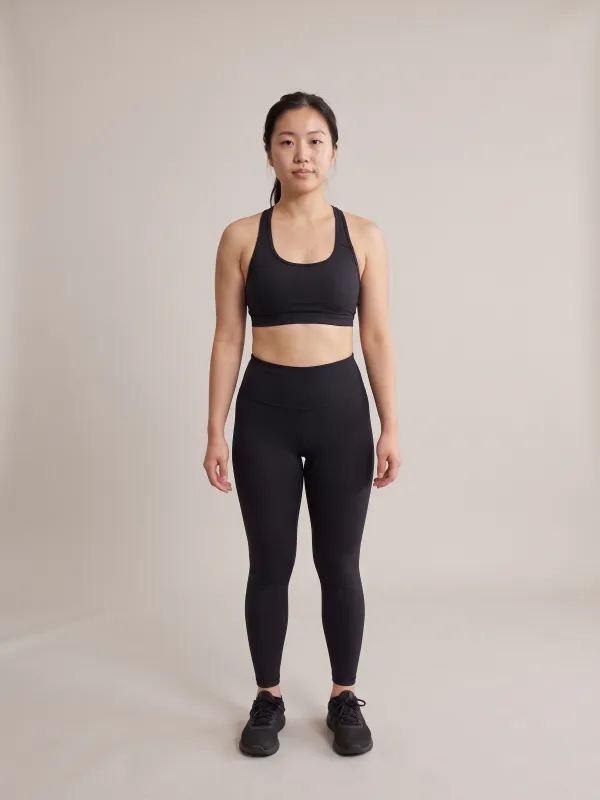
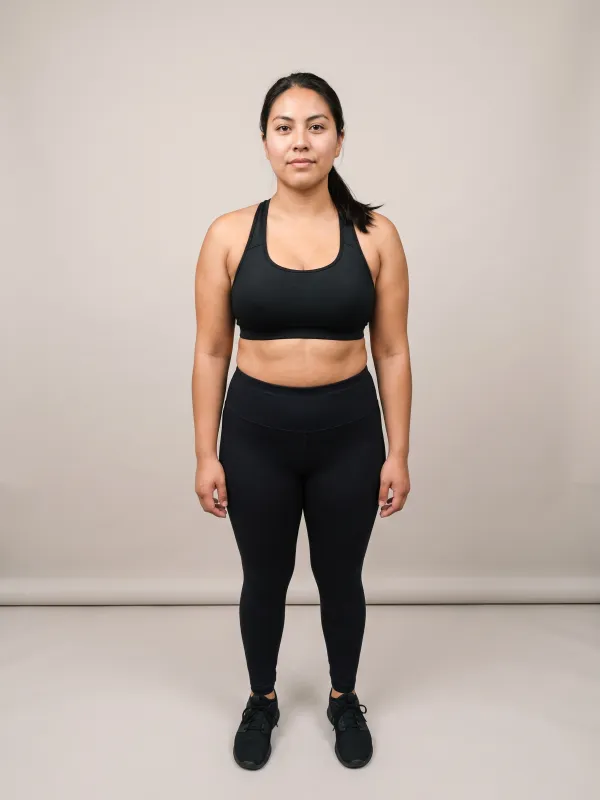
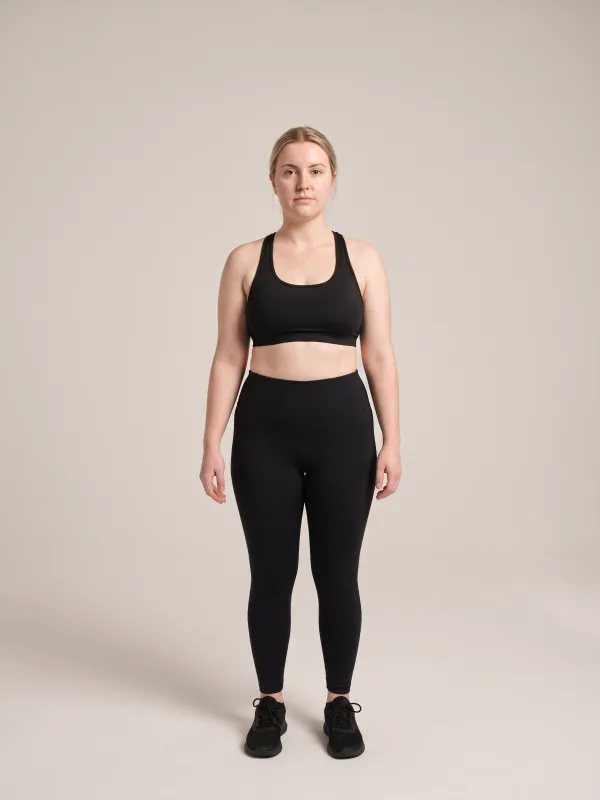
The photo is the closest match from a library of 21 — each of the seven shapes at three
sizes. The size comes from your hip measurement: under about 39 inches, 39 to 46.5, or
over 46.5, which are roughly the 25th and 75th percentiles for US women
(see the butt size chart). Treat it as a rough
projection of your shape, not a picture of you — no two bodies with the same numbers look
alike, and the photos aren’t something to aim for.
#
Shape
Rule (inches)
1
Hourglass
Bust − hips ≤ 1 and hips − bust < 3.6, and bust − waist ≥ 9 or hips − waist ≥ 10
2
Bottom hourglass
Hips − bust from 3.6 to 10, hips − waist ≥ 9, and high hip ÷ waist < 1.193
3
Top hourglass
Bust − hips more than 1 and less than 10, and bust − waist ≥ 9
4
Spoon
Hips − bust > 2, hips − waist ≥ 7, and high hip ÷ waist ≥ 1.193
5
Triangle
Hips − bust ≥ 3.6 and hips − waist < 9
6
Inverted triangle
Bust − hips ≥ 3.6 and bust − waist < 9
7
Rectangle
Bust and hips within 3.6 of each other, bust − waist < 9, and hips − waist < 10
How Accurate Is a Body Shape Calculator?
As accurate as your tape measure — and less stable than most calculators admit. In a
study of 1,679 women scanned in 3D, simply changing where the bust, waist, hip and high
hip were measured put the same body into a different FFIT shape in up to 40% of cases
(Parker et al., 2021). Rectangle, inverted triangle and top hourglass
results held steady; hourglass, bottom hourglass, triangle and spoon did not.
FFIT also only looks at the zone from your bust to your hips. It ignores your shoulders,
your height and where your muscle sits. So if you land near a boundary, you may genuinely
be between two shapes — that’s normal, not a mistake.
Your Waist-to-Hip Ratio
The calculator also divides your waist by your hips. That number is a health screening
measure, not a beauty score: for women, the World Health Organization uses a ratio of
0.85 or above as a marker of substantially increased metabolic risk
(WHO expert consultation). Preference research tends to cluster around
0.7, but that’s an average, not a target — I go through it in
what the most attractive butt shape is.
Both halves of the ratio respond to body fat, and the hip half responds to glute
training. To see a body like yours at your height and weight — and set goal
measurements — try the female body visualizer.
Body Type vs Body Shape vs Butt Shape
"Body type" gets used for three different things. This calculator gives your
body shape — how your bust, waist and hips compare. Ectomorph,
mesomorph and endomorph are somatotypes, a separate system about
overall build; this calculator doesn’t sort into them. And your butt
shape — round, heart, square, V or A — is about the glutes themselves; the
butt shapes guide covers all six.
Body Type Calculator FAQs
What body shape am I if I’m between two?
Then you’re near a boundary, which is common. FFIT uses hard cut-offs, so half an inch can flip a result. Re-measure carefully, and if it still sits on the line, read both shapes — you will usually recognise yourself in one more than the other.
What is the most common female body shape?
It depends on the group and on how the measurements are taken. In a UK study of 1,679 women scanned in 3D and measured the FFIT way, hourglass (31%), bottom hourglass (27%) and rectangle (25%) were the most common results, followed by spoon (12%). Top hourglass, triangle and inverted triangle were each under 4%.
Can you change your body shape?
Partly. Your bone structure and where you store fat are largely set, but muscle and body fat change your measurements. Building glute muscle adds to your hip measurement, and upper-back and shoulder work changes your top half — so your result can shift over months of training.
Is body type the same as ectomorph, mesomorph or endomorph?
No. Those are somatotypes, a different system that describes overall build rather than bust, waist and hip proportions. This calculator sorts you into body shapes only.
Is an hourglass the best body shape?
No shape is better than another. These are clothing-fit categories, built to help garments fit, not to rank bodies. Preference research does cluster around a lower waist-to-hip ratio, but that’s an average, not a standard you owe anyone.
Why do different body shape calculators give different answers?
Two reasons: they use different rules (some use only bust, waist and hips, some add shoulders), and small differences in where you measure change the result. Researchers found the same body could land in a different FFIT shape in up to 40% of cases just by moving where the measurements were taken.
How accurate is the photo?
Honestly, it’s a rough projection, not a picture of you. It’s the closest match from a library of 21 photos — seven body shapes, each at a smaller, average and larger size picked from your hip measurement — so it can only show the general idea of your shape. No two bodies look the same, even with identical measurements: height, frame, muscle, and where you carry weight all change how a shape looks. And the photos aren’t a goal. Nobody should try to look like them — they’re there to help you picture the label, nothing more.
Is my data saved or sent anywhere?
No. Your measurements are calculated in your browser and never stored or sent, and there is no sign-up. The only thing recorded is an anonymous count of which shape result comes up, so I can see how the tool is used.
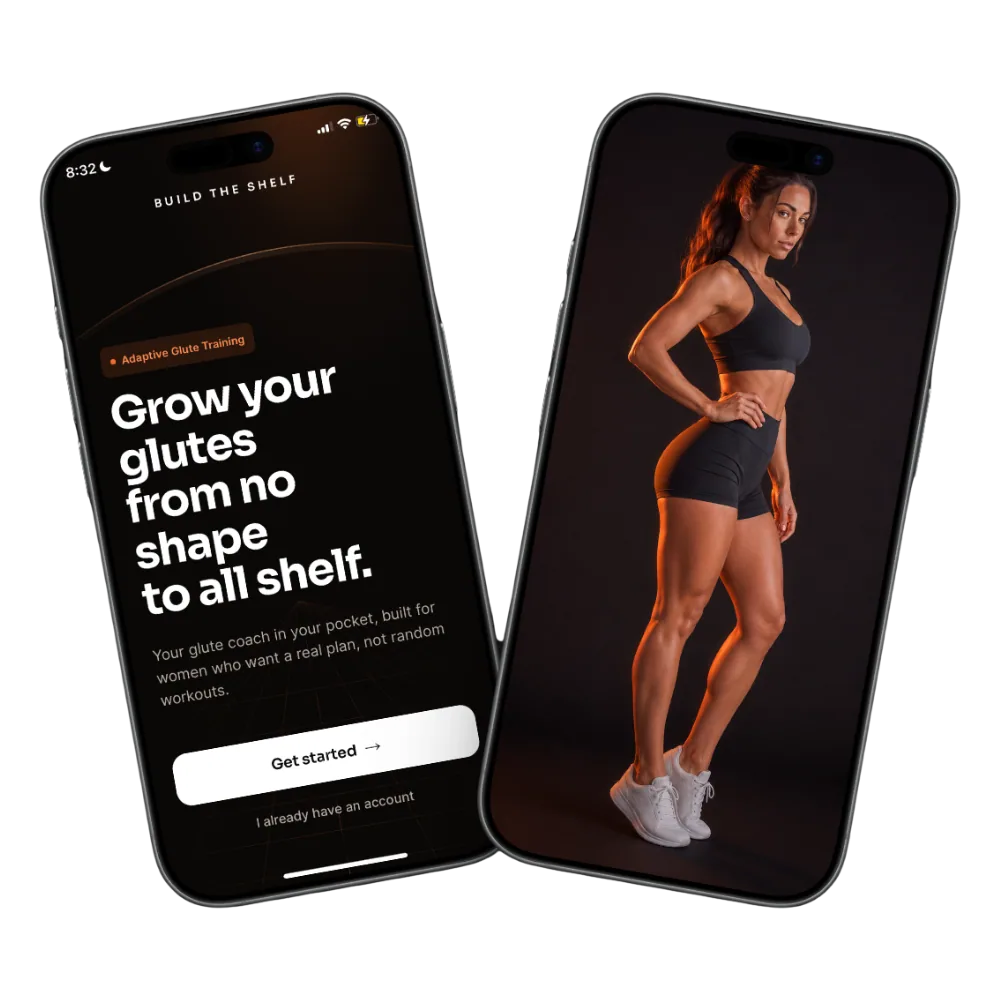
Whatever your shape, the part you can build is muscle. The Build The Shelf app plans
that work around your week and keeps your progress photos private —
join the waitlist to get it first.
Get the app the day it launches.
A glute routine built around the week you actually have.
An email the day it’s on the App Store, plus the occasional training tip. Unsubscribe anytime.